
Fed Hikes Rates, Signals Onset of Policy Tightening Cycle
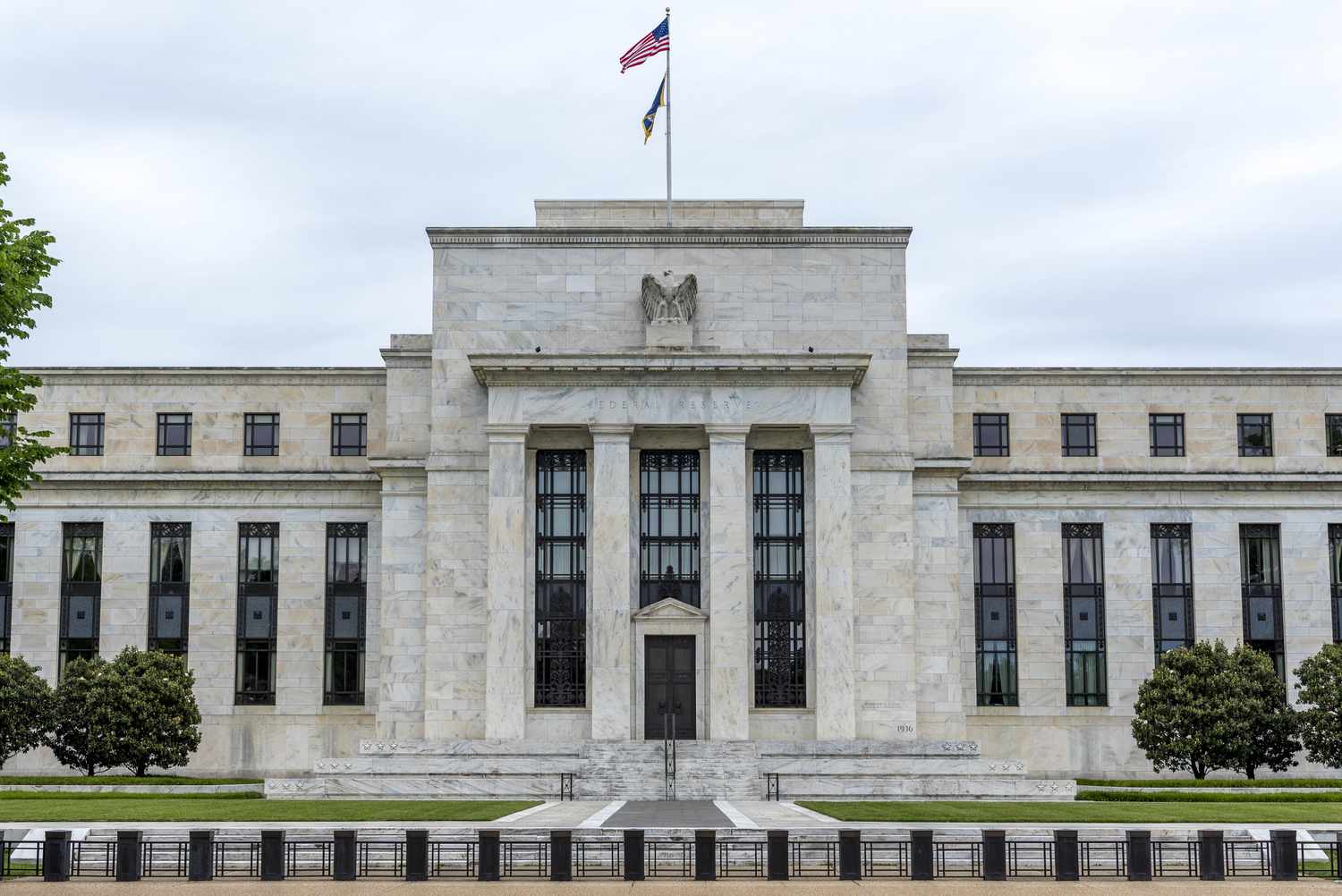
The U.S. Federal Reserve raised its benchmark interest rate by 25 basis points to 4.00% on Wednesday, matching market expectations and marking the first policy decision under newly appointed Chair Kevin Warsh.
The move represents the Fed’s first rate increase since 2023, reflecting policymakers’ efforts to contain persistent inflationary pressures that have remained above target levels.
The decision received unanimous backing from policymakers, a notable shift from the split 9-3 vote recorded at the July meeting. While the consensus outcome reinforced the central bank’s hawkish stance, investors continue to seek clearer guidance on the pace and extent of future tightening, with expectations still favoring at least one additional rate hike before year-end.
The latest increase underscores a significant change in the Fed’s policy trajectory. After adopting a largely dovish tone earlier this year and signaling potential rate cuts, officials moved to a neutral stance in mid-2026 before turning more restrictive as the economy absorbed the broader consequences of the U.S.-Iran conflict.
Fed officials pointed to recent economic data to justify the rate hike. Inflation has continued to trend higher, with the core PCE index, the central bank’s preferred inflation measure, rising to 3.3%. At the same time, labor market conditions have remained resilient, supported by continued workforce growth and stable unemployment levels, while overall economic activity has held up better than expected. Those developments reinforced the hawkish message delivered by Chair Warsh during his remarks at the Jackson Hole symposium last month.
Market participants widely interpret the Fed’s latest move as the beginning of a new tightening cycle, particularly as underlying inflation pressures remain elevated. However, investors are likely to remain cautious and closely monitor upcoming economic indicators for confirmation that further policy tightening will be needed in the months ahead.
